
A studio that moves at 120 km/h
China's luxury trains are built for looking. Observation cars run the full length of the roof line, windows sit wide and low, and routes are chosen for what you can see, not just where you arrive. The result is a rare thing in travel photography: a subject that comes to you all day, at eye level.
Two trains deserve a special mention. The Silk Road Express runs a 270-degree panoramic observation car, the largest viewing space on a Chinese luxury train, with eighty guests spread over fifteen carriages. The Beautiful Sky Road was built for the Tibetan plateau, with panoramic windows and pressurised, oxygenated cabins, so the climb to Lhasa stays comfortable while you keep shooting.
Routes that reward the lens
Every journey has its signature frames. These are the ones photographers come back to.
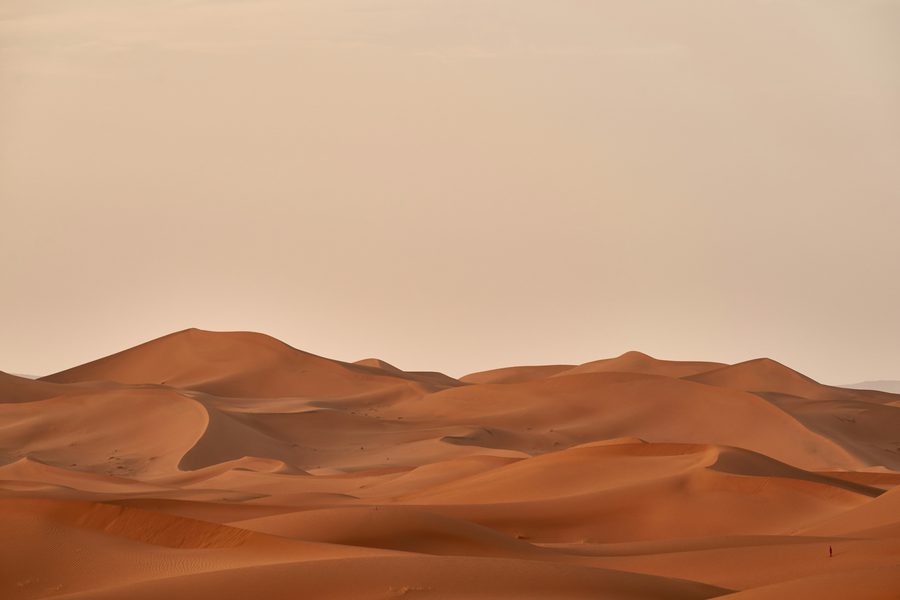
Dunes, ruins and desert light
Sand dunes at low sun, the ruins of abandoned trading towns, caravans crossing the desert edge. Late afternoon is the hour to be at the window.
Snow range and the Ili valley
The Tianshan crest stays in frame for hours, then drops you into the green of the Ili valley. Mountain light, not desert light.
The plateau and the great lakes
Above the treeline the light is thin and huge. Monastery towns, salt lakes and the Everest region on the only dedicated Tibet cultural train.
Old towns and the plateau edge
Wooden old towns, the gorges around Lijiang and the Tibetan edge at Shangri-La on the south-west line.
Karst, terraces and Miao villages
Karst peaks in the mist, rice terraces stepping down the hillsides, and Miao villages in the folds of the hills.
Grasslands and the Greater Khingan
Unfenced grassland, herds at dawn and the forested edge of the Greater Khingan range in the north-east.
Golden hour off the train
Most itineraries pause at a site worth more than a glance, and several are timed for the light: dunes outside the cave temples, terraced hillsides, monastery walls on the plateau. Your escort group walks out with you and is happy to wait while the light does its work.
Small habits that help
- Shoot between stations. The glass is at its cleanest just after departure, before the dust of the day settles on it.
- Carry a polariser and a lens cloth. Western light is strong and the dust is honest.
- Keep one body and a prime lens in the observation car, not the suite. The best frame arrives without warning.
- Shoot from the window side with your back to the sun. Reflections disappear and contrast improves.
- Drones are restricted near operating railway lines and stations across China. The window is your drone.
Match the light to the route
Tell us when you can travel and we will recommend the journey whose light suits the pictures you want to bring home.